

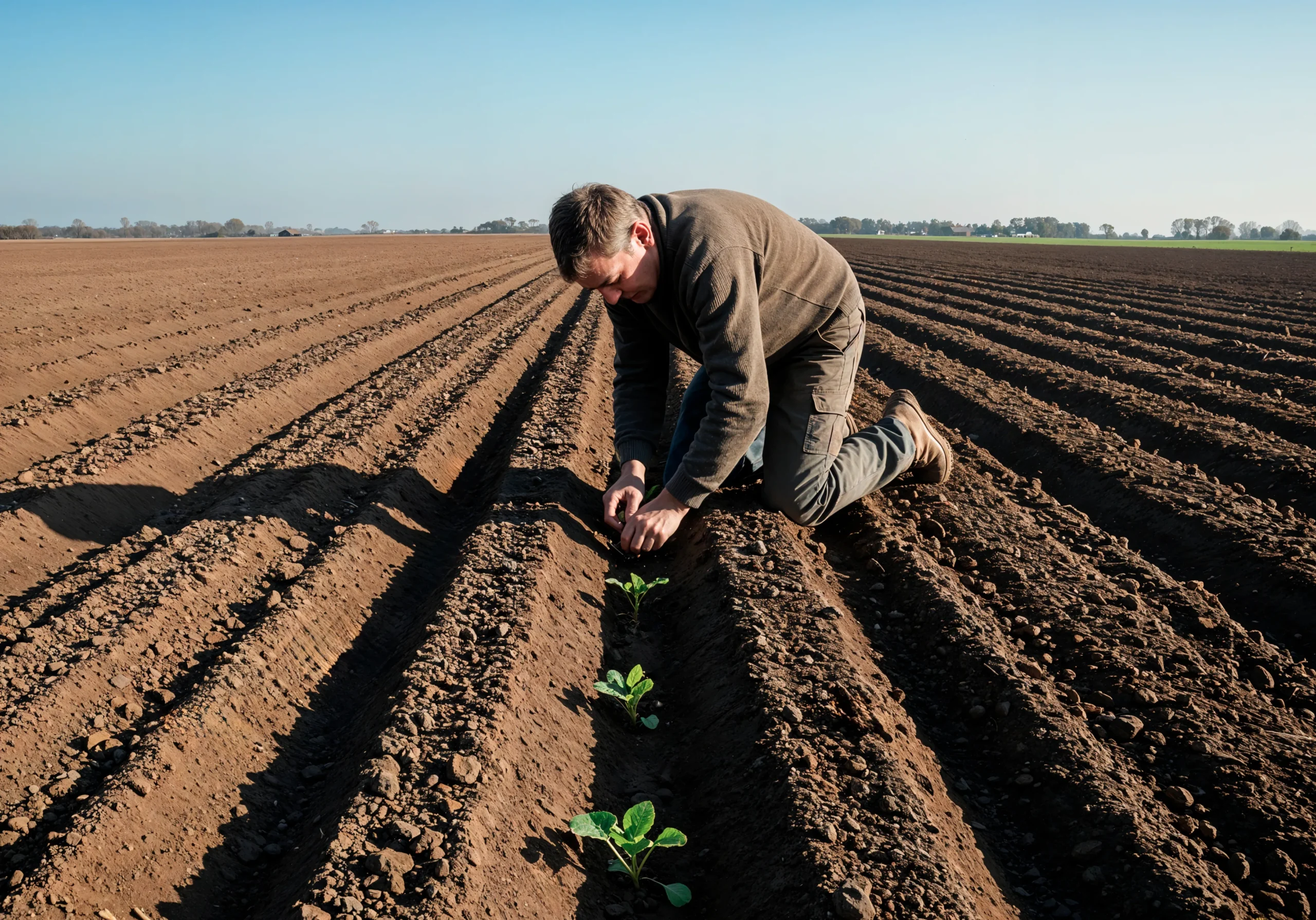
One of the key aspects in the field of agriculture is soil health. Healthy soil gives the nutrients, structure and environment within which plants thrive appropriately. When farmers are keen on preserving the quality of the soil, they end up having improved yields and sustainable farm productivity. Soil is not merely dirt but it is an ecosystem of living organisms such as microorganisms, minerals, organic matter, and water, which combine to sustain plant life.
Nutrient availability is one of the major parameters of soil health. The plants need necessary nutrients like nitrogen, phosphorus and potassium in order to develop well and yield healthy crops. Soils that lack these nutrients may result in slow growth and yield of the plants. The farmers tend to test their soil to know the nutrients that are present in their soil. This assists them in the application of fertilizers at the right proportions and keep the soils fertile.
Biotic matter is important in enhancing the soil structure and fertility. Things such as compost, animal manure and plant residues enhance the amount of organic matter in the soil. Organic matter increases water holding capacity, promotes useful microorganisms and promotes soil aeration. These microorganisms decompose nutrients in the way that plants can readily absorb them.
Crop rotation is also another significant farm activity that enhances soil health. Planting various crops in the same field every season will stop depletion of nutrients and lowering of pests. An illustration of this is the legumes like beans and peas, which restore the level of nitrogen in the soil.
Another problem that is to be addressed by the farmers is soil erosion. Wind and water may erode the uppermost layer of soil, which contains the major part of nutrients required by plants. Cover crops, mulching and reduced tillage are some of the methods that farmers use to prevent soil erosion.
It is also important to maintain soil health as a way of facilitating environmental sustainability. Healthy soil is carbon storing, water pollution decreases, and it helps in biodiversity. The farmers whose interests lie in the health of soil will be able to safeguard their land to the next generation.
Finally, the health of the soil is the basis of the successful farming. Through bettering the balance of nutrients, raising the amount of the organic matter, and preventing soil erosion, farmers can develop an efficient and sustainable agricultural system.