

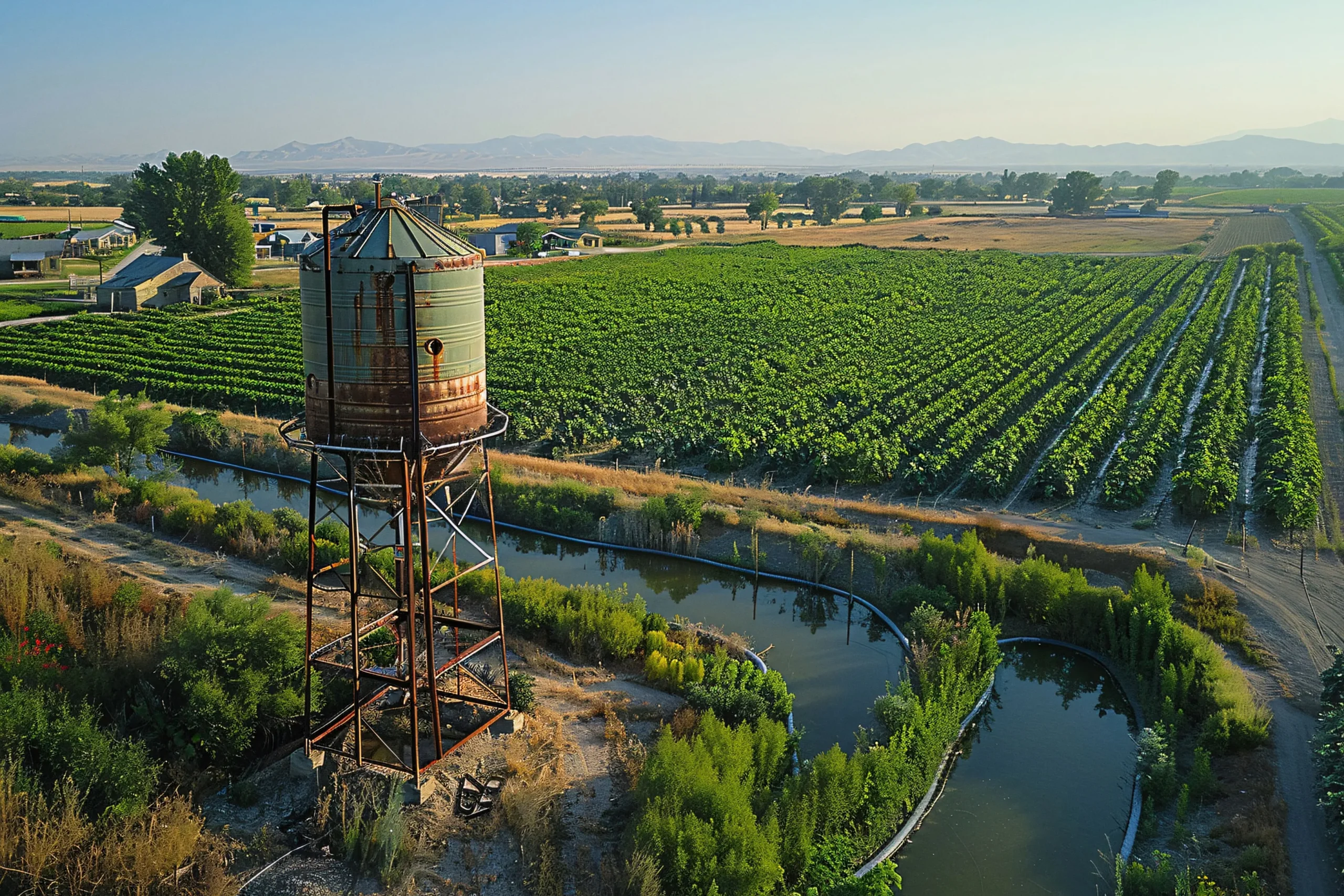
One of the most important resources in agriculture is water. Sustenance of crops demands proper water so that they grow, develop and yield. Water management will help in ensuring that farmers utilize the water efficiently and that the natural water resources are conserved.
Irrigation systems are very essential in conserving water. The conventional irrigation system has the tendency of causing a loss of water through evaporation or runoff. The use of modern methods like drip irrigation and sprinkler irrigation to give water to plants enhances efficiency.
Other methods that are effective in agriculture include rain water harvesting. During the rainy season, the farmers gather rainfall which is stored to be used in times of dry seasons. This will minimize the use of ground water and provide a steady water supply.
Water conservation also depends on soil management. Soil with high concentration of organic matter is able to retain moisture longer thereby avoiding high frequency of irrigation. To increase the water retention of the soil, farmers tend to use compost and plant cover crops.
It is also essential to ensure proper scheduling of irrigation. Excessive watering might harm crops, and use up precious water, whereas inadequate watering might slow down the growth of plants and their crop production.
The current technology assists farmers in dealing with water better. The use of soil moisture sensors and weather forecasting tools enables farmers to use appropriate amount of water at appropriate time.
To sum it up, sustainable agriculture requires proper controlling of water. Through effective irrigation techniques and enhancement of soil integrity, farmers are able to save water and still achieve high production of crops.